Leisure centres with pools are some of the toughest buildings to decarbonise.
Posted on Sunday, January 25th, 2026
Posted on Sunday, January 25th, 2026
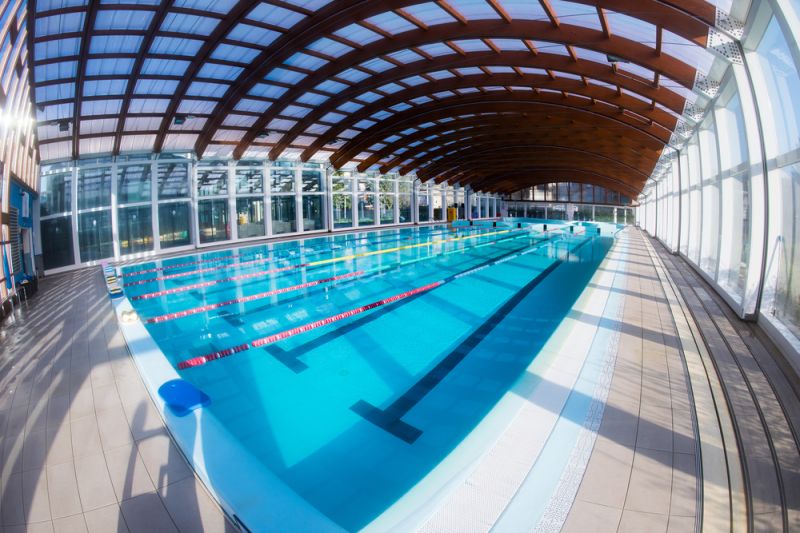
Leisure centres with pools are some of the toughest buildings to decarbonise.
It’s not because the tech is unclear, it’s because the heat load never stops.
A pool hall is a heating-driven environment:
>>Pool water sits around 26–30°C;
>>Air needs to be slightly warmer; and
>>Ventilation runs continuously to control humidity.
So even when it’s not heating season, you still have a meaningful base heat demand. That’s why pool facilities often land north of 1,000 kWh/m²/year, and why 80%+ of that can be heat.
Yes, you can (and should) cut demand first: Pool covers. Better fabric. Heat recovery. Controls. Efficient dehumidification. Heat pumps.
Many sites can halve energy use and cost with the basics done properly.
But here’s the part that matters for planning:
Even after efficiency, you’re left with a steady, year-round heating requirement.
That’s exactly where geothermal fits. Particularly deeper geothermal with a warmer resource to harness with heat pumps in our Deep GHP™ approach.
Geothermal paired with heat pumps can provide reliable baseload heat for pools because the demand profile is stable and predictable. It’s a practical route to lower-carbon heat that supports long operating hours and avoids “all-winter, no-summer” utilisation issues.
Heat recovery options can be built into the heat pump system, maximising efficiency.
If you’re managing an estate, the question I’d ask isn’t just:
“Which heat source is cheapest on paper?” It’s:
“What gives us dependable, low-carbon heat for the next 20–30 years, and keeps cost volatility under control?”
If you’re looking at a leisure centre retrofit or a new build, I’m happy to share what we typically assess first (heat profile, plant constraints, ground conditions, delivery route).
DM me to set up am introductory conversation.
#Geothermal #HeatPumps #Decarbonisation #PublicSector #EnergyManagement