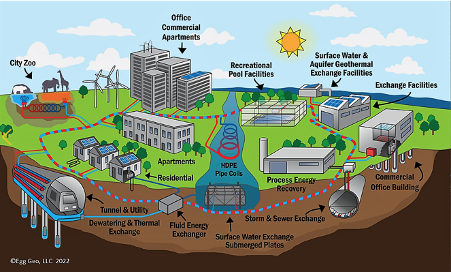
While we are focused on geothermal and heat pumps at the core of our approach, we have been emphatically learning that these carbonization challenges require a systems approach. We consider the energy work that really needs done, the most efficient way to do it, and then and only then how geothermal heat pumps fit into the picture. This page also contains case studies from others as further illustration of what can be done with geothermal.
In a Phase 1 Feasibility & Concept Selection study we screened 4 different geothermal applications to replace the gas boiler heating in the hospital. The best economic and decarbonisation impact is associated with our proprietary Deep GHP™ system which will harness a Warm Sedimentary Aquifer at some 500 m depth below the hospital. We are now working with the health trust and partners to move the project forward into Phase 2. We are learning that older hospitals are heat dominated, while modern hospital builds can be a useful mix of cool and heat, lending these demands to Underground Thermal Energy System solutions (UTES).
Causeway and partners applied for and were awarded a Department for the conomy energy research open call grant to research the potential of the geothermal application known as Standing Column Well. SCW is well known in North America, but to date has not been applied for shallow geothermal energy utilisation in the UK and Ireland. We demonstrated the potential by testing existing water boreholes in appropriate bedrocks in SCW configuration reproducing the superior performance observed in the American examples. The final report can be found here.
The Department for the Economy Northern Ireland funded a short modeling project to use our expertise and experience to understand the potential of deep geothermal wells, both open and closed loop. We included already existing proprietary knowledge in our report to demonstrate the high potential of deep open loop systems to supply low cost, low carbon MW-scale heat to larger demand infrastructure.
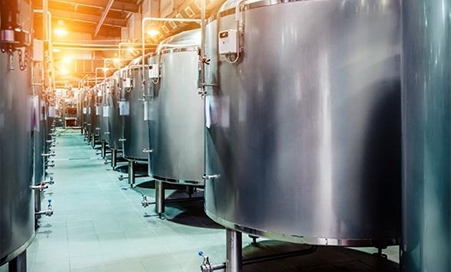
A multi-national beverage company had Causeway assess the potential of unexpectedly (well, to everyone except our Chief Geologist!) warm aquifers at only 600 m depth. We first designed a concept in which geothermal takes care of the demand, both hot and cold loads. We completed the first phase of the design of the Deep Geothermal Heat Pump system to deliver 6 MWth of energy to replace gas, including field testing to understanding the potential to repurpose existing water wells.
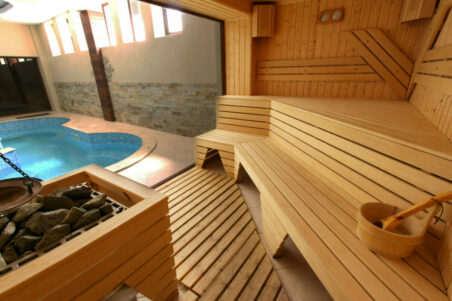
A large hotel with spa facilities has ambitions to maximise renewable energy use. Causeway has completed a feasibility & concept selection study and has identified several project concepts for decarbonising heat in the hotel. We are currently working on next steps.
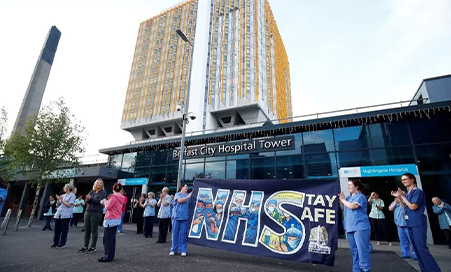
We’ve been longing to look into a process like this where it involves both heating and cooling, seasonally offset. This brings our Causeway GeoBattery® to the fore, testing the feasibility of recovering waste heat from summer cooling and injecting into the geothermal resource for withdrawal in the winter to meet peak heat demand.
A superb compendium of 29 case studies from Europe collated and published by the EUROPEAN GEOTHERMAL ENERGY COUNCIL. Sub-sectors include car manufacturing, data centers, chemicals, greenhouses, distilling, equipment manufacturing and many others.
A large hospital complex engaged us to assess the potential for replacing 8 MWth of heat demand with geothermal heat pumps. We proposed an open loop system in the proven shallow hydrothermal aquifer and recommended a deeper test borehole to investigate a new thermal aquifer resource. The project is now proceeding into Design for Build for one of the larger buildings on the campus.
Temporary kerosene boilers replacing, and the client has grasped the opportunity to assess and design for a geothermal heat pump replacement. This will be a First Of A Kind (FOAK) and our assessment has come up with three options, river, shallow geothermal and deep geothermal. The deep geothermal option has the best economics and we are now working on moving the project forward to build. It promises to be a design one, build many, application.
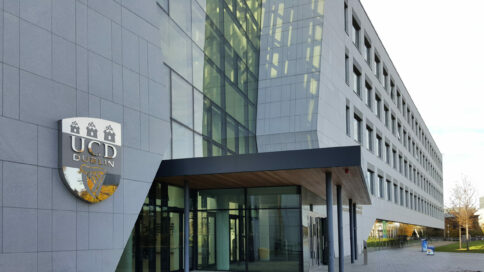
Causeway Energies is proud to be part of a consortium examining the opportunity to bring geothermal energy to the 2 to 5 MW district heating network in the Belfield Campus of University College Dublin. Causeway’s particular contribution is the exploration and assessment of a range of different geothermal borehole types.
The DDCGE project was funded through CASE is completed at Ulster University. Causeway made in-kind contributions including analysis of the geothermal resources and modeling of Underground Thermal Energy Storage. We learnt that geothermal has huge potential to both provide both cooling and UTES to support seasonal storage and supply of the data center’s waste heat to neighbouring demand in a heat network.
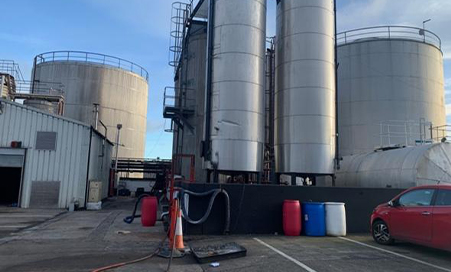
A water utility engaged us to assess the opportunity to have a low/zero carbon heating and cooling geothermal system for a new building. The concept will be included in the initial planning application for the new build and there is the ambition to convert from gas for the whole site.

150 geothermal boreholes drilled to 120 m depth under the car park to support 1+ MW heating and cooling. Discover how IKEA Dublin utilizes one of Europe’s largest geothermal heat pump systems, combined with biomass and rainwater harvesting, to reduce carbon emissions by over 65% and meet its full heating and cooling needs sustainably.